 Mattresses
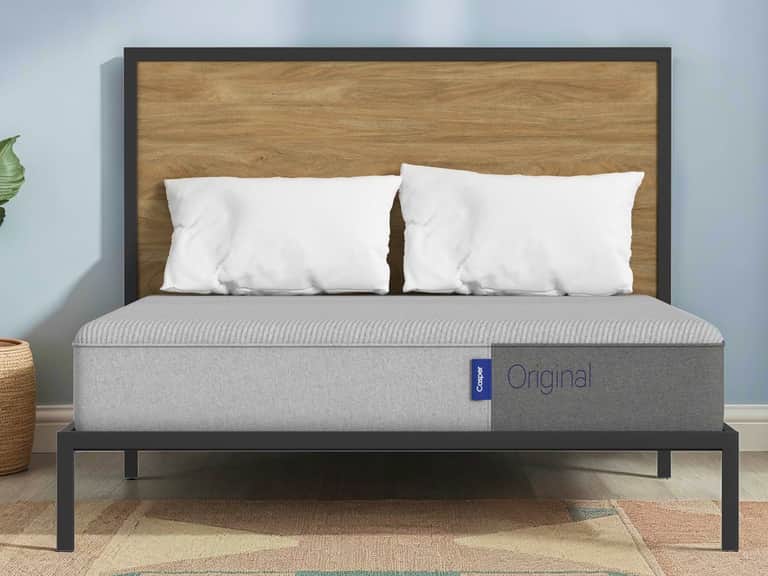
Original Mattress
Sleep cooler with airflow, body-conforming comfort, and targeted support that keeps your spine aligned—so you feel balanced, plush, and supported from top to base all night.
Foam mattresses are crafted to provide consistent support and pressure relief, adapting to different sleeping positions while reducing motion transfer. For futons.nyc readers, the emphasis is on materials such as polyurethane and memory foam, which can offer contouring comfort and durability. Understanding density, layering, and firmness helps determine suitability for side, back, or combination sleepers.
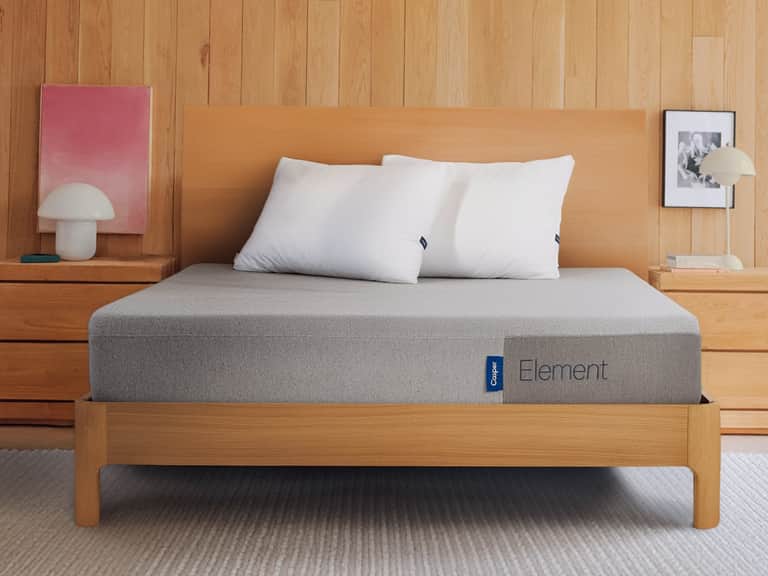
In foam mattress design, the top comfort layer often prioritizes softness and conforming feel, while a denser base layer delivers essential support and longevity. For the Original Mattress and the Element Mattress, expect a multi-layer construction that balances contouring with stability, aiding spinal alignment and reducing sinkage during prolonged rest or light activity.
Key features to consider include open-cell structure for breathability, hypoallergenic materials for cleaner sleep environments, and edge support to maximize usable sleeping surface. The Original Mattress focuses on a balanced feel with supporting foam that maintains shape, whereas the Element Mattress emphasizes targeted zoning to address pressure points along the hips, shoulders, and spine.
Usage considerations highlight suitability for various futon frames and room temperatures, since foam performance can shift with climate and bed foundation. A mattress with consistent core support helps prevent sagging and extends functional life, while breathable covers and moisture-wicking fabrics contribute to comfortable year-round use and easier maintenance.
Meta keywords such as bedding, pillows, sheets, organic mattresses, and natural latex organic mattresses reflect a broader sleep ecosystem where foam mattresses integrate with complementary textiles and materials. Understanding product names, features, and functional benefits allows for informed decisions about sleep ergonomics, durability, and long-term comfort.
Mattresses
 Mattresses