Formal bedding and furnishings emphasize clean lines, balanced proportions, and durable construction that support restful sleep and everyday living. This category highlights materials, construction techniques, and design considerations that influence comfort, longevity, and room aesthetics. Key elements include fabric choices, fill power, and the functional benefits of adaptable seating and sleeping surfaces for varied spaces.
In the realm of futons and related pieces, understanding frame materials, mattress firmness, and transition mechanisms helps illuminate suitability for living rooms, guest rooms, and compact urban spaces. Durable hardwood or metal frames paired with high-density foam or spring cores offer support, while conversion mechanisms affect ease of use and long-term reliability.
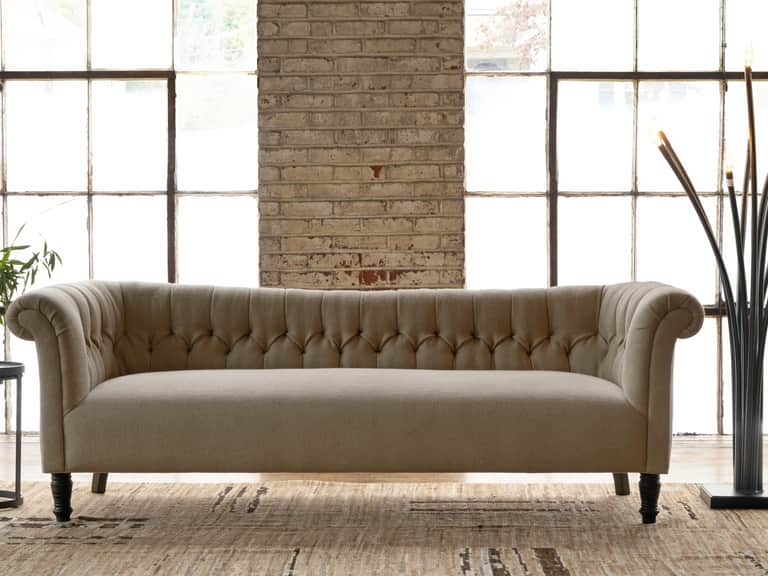
Product features such as the Cisco Home Flynn Sofa illustrate how a formal design can integrate seating and sleeping functionality. Its frame stability, ergonomic dimensions, and smooth conversion process emphasize practicality without compromising aesthetic restraint. Ergonomic support and durable upholstery contribute to daily comfort and guest accommodation.
Users benefit from examining mattress and cushion construction, including cover fabrics, thread counts, and hypoallergenic options. Bedding components like down or synthetic pillows, along with comforters and bedding sets, influence sleep quality and climate control. Understanding care requirements ensures sustained comfort and appearance over time.
Within this category, considerations extend to room layout, lighting, and color coordination, reinforcing the connection between formal design and user experience. By evaluating product specs, such as integration of seating and sleeping functions and the overall proportion relative to room dimensions, one can choose pieces that reinforce both usability and refined interior appeal.
 Furniture