Wool is valued for natural insulation, breathability, and moisture-wicking properties that contribute to comfortable sleep environments. In bedding contexts, wool fibers help regulate temperature by retaining warmth in cooler conditions while releasing excess heat when temperatures rise. This natural resilience supports long-lasting performance in various sleep setups, including futon configurations.
Understanding wool's structure reveals its durability and resilience. The crimp and loft of wool fibers trap air, providing cushioning and support for mattresses and pillows. When used in futon layers, wool helps distribute weight evenly and maintains a comfortable contour, which can be beneficial for spinal alignment and pressure relief.
In the realm of organic and natural sleep products, wool commonly appears alongside organic mattresses and natural latex foams. Its hypoallergenic and breathable qualities make it suitable for sensitive sleepers, while its moisture management helps maintain a drier surface during nighttime use, contributing to overall sleep quality and hygiene.
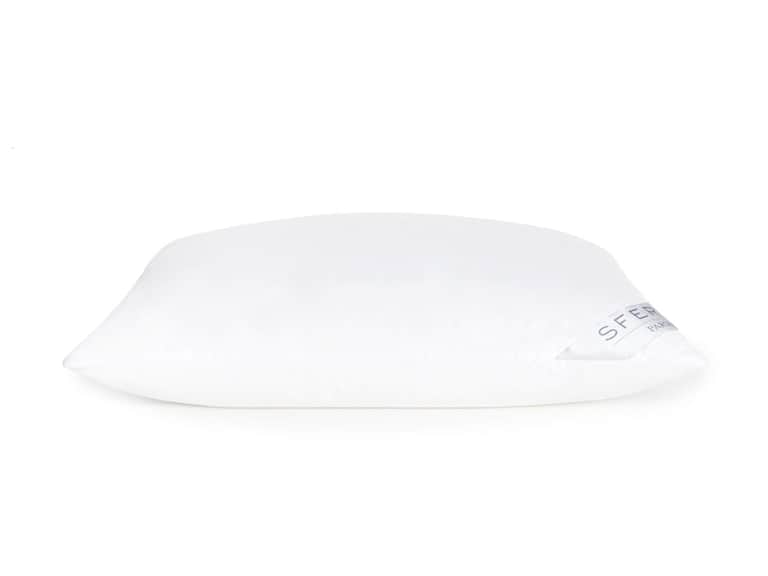
Within pillow selections, wool blends, such as the Parson Pillow, offer specific functional benefits. Wool can provide gentle loft, moisture control, and a supportive feel that adapts to head and neck movement. These characteristics support restful sleeping positions and can complement other bedding layers like sheets and duvet covers.
Key features to consider include loft, fiber diameter, and fill power, as well as the relationship between wool and other components like organic mattresses and natural latex. When evaluating bedding for futon setups, assess temperature regulation, durability, and care requirements to maintain performance and comfort over time. Keywords: bedding, pillows, sheets, organic mattresses, natural latex organic mattresses.
 Bedding